Thinking about a condo in Encinitas, close to the sand and surf? You have great options, but coastal condos come with extra layers of homework. From HOA health and financing rules to bluff erosion and insurance, a smart plan protects your budget and your peace of mind. This guide walks you through what to check, why it matters, and how to move with confidence. Let’s dive in.
Encinitas condo map and product types
Encinitas has several distinct pockets. Many buyers sort choices by coastal versus inland. Coastal options run through Leucadia, Old Encinitas near downtown and Moonlight Beach, and Cardiff-by-the-Sea near the famous breaks. Inland, New Encinitas and Encinitas Ranch offer more suburban settings and later-vintage buildings. Olivenhain is mostly single-family.
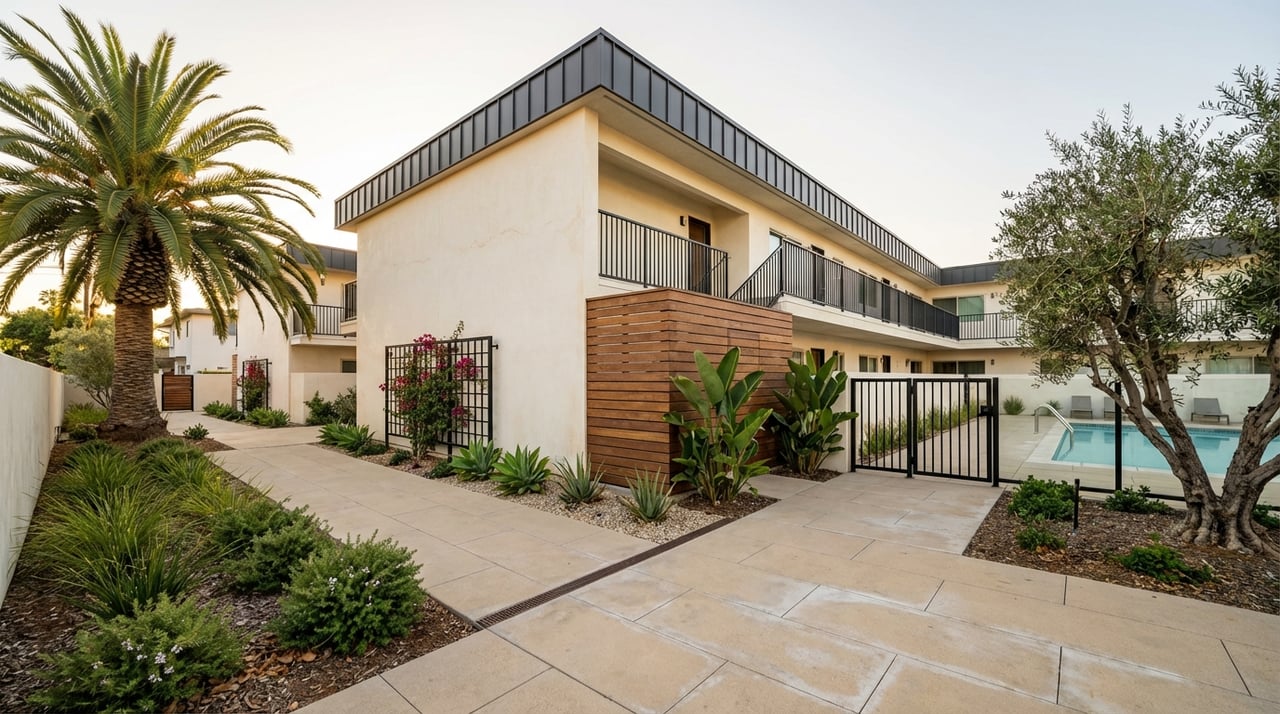
You will see a mix of small garden-style buildings, townhome-style condos, a few mid-rise options near downtown, and select newer luxury coastal projects. Coastal buildings often date to earlier surf eras with remodels over time. Inland complexes tend to be newer. Always verify the true year built and permit history through county assessor records and the HOA resale package. Assessor records are the primary source for year built.
Prices vary widely by location, view, and building type. Oceanfront or near-ocean units command premiums. For current numbers, rely on the local MLS and a fresh broker report, since medians can move quickly month to month.
Coastal risks and site checks
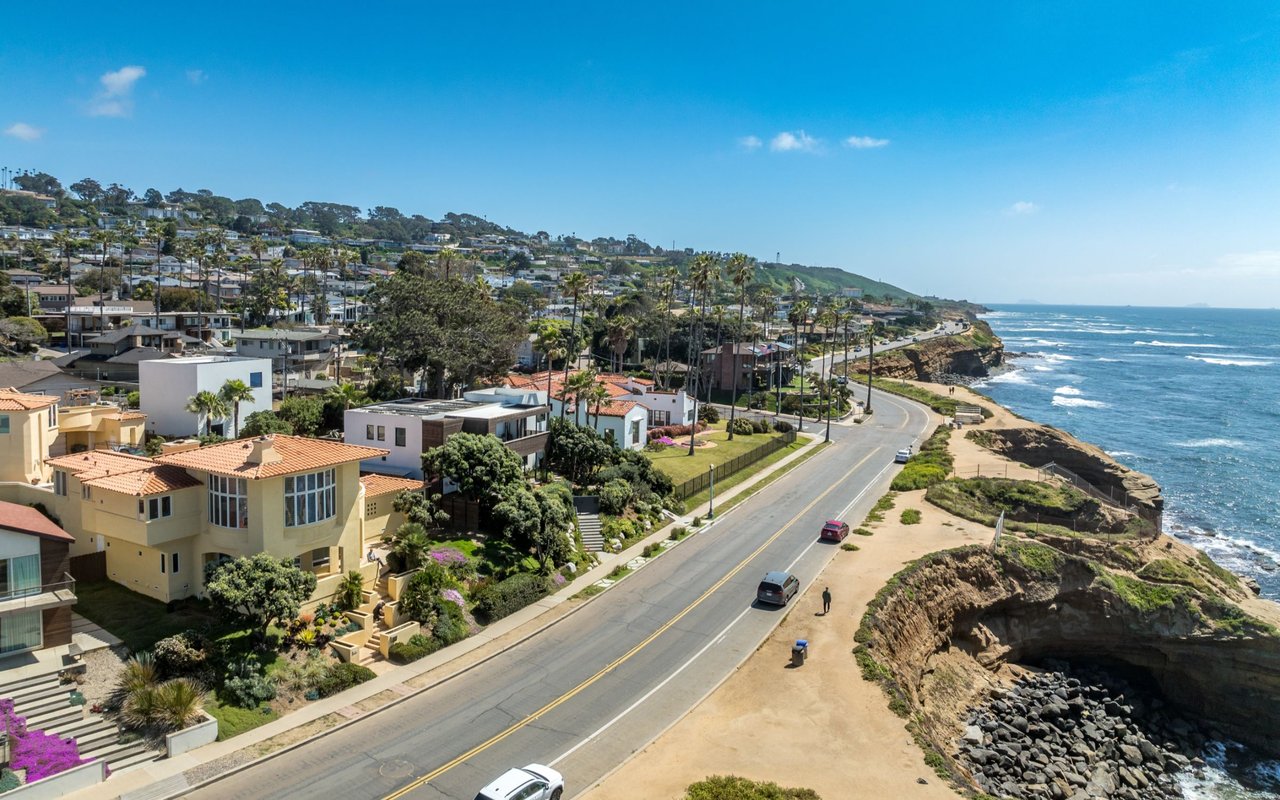
Encinitas shares the North County coastline’s active bluff system. Bluff erosion, storm wave energy, and sea level rise shape long-term maintenance plans and costs. The region participates in a multi-year beach renourishment effort to restore sand and help protect infrastructure. You can review background on the Solana Beach and Encinitas project through the city’s summary of the beach renourishment partnership.
- See the Solana Beach and Encinitas beach renourishment overview: local project summary and status.
Flood risk also matters. If a property sits in a FEMA Special Flood Hazard Area, lenders will usually require flood insurance and may adjust underwriting. Confirm the flood zone by address or APN using the official FEMA portal.
- Check the FEMA flood map for any Encinitas address: FEMA Map Service Center.
What to inspect near the ocean
Coastal exposure accelerates wear. Pay close attention to the exterior envelope, roof, railings and balconies, and drainage. Ask for any records on bluff stabilization, seawalls, or emergency repairs. Older buildings sometimes defer big-ticket items, which can lead to special assessments. If the condo is on or near a bluff or seawall, consider consulting a structural or geotechnical engineer. Local reporting has documented past bluff incidents, which is why expert review can be prudent for oceanfront or bluff-top purchases. For context on erosion pressures, see this overview of coastal bluff challenges in the region: bluff erosion background.
Insurance basics for Encinitas condos
Condo owners typically carry an HO-6 policy for the interior and personal property, while the HOA maintains a master policy. Confirm whether the master policy is “bare walls-in” or “all-in,” and check deductibles. Flood insurance is separate. An association in a flood zone can buy a Residential Condominium Building Association Policy, and unit owners may still need contents coverage. Earthquake insurance is a separate choice in California.
Policy gaps and high deductibles can lead to special assessments after a loss. Review the HOA’s declarations page and endorsements so you know what risk is shared and what is on you. For a quick primer on HO-6 coverage and how it pairs with a master policy, see this overview: what HO-6 policies typically cover.
HOA governance and what to request
California HOAs follow the Davis-Stirling Common Interest Development Act. Expect to see its rules reflected in the resale disclosures, budgets, and board actions. You can read the statute summary here: Davis-Stirling Act overview.
Ask for the complete resale packet early in your contingency period. Focus on:
- CC&Rs, bylaws, rules, and architectural guidelines.
- Current budget, latest balance sheet, and bank statements.
- The most recent reserve study and the board’s reserve funding plan.
- Meeting minutes for the past 12 to 24 months.
- Insurance declarations and master policy details, including flood and earthquake.
- Litigation disclosures and any open claims.
- Current and approved special assessments and capital project plans.
- Owner-occupancy and rental percentages.
Many of these items align with what lenders look at when they evaluate project eligibility. For an overview of project standards, see Fannie Mae’s guidance on condo project reviews: general information on project standards.
How financing and HOA dues affect you
Condo financing depends on the building’s health and eligibility. Conventional lenders often require a project to be “warrantable,” which means it meets key tests for reserves, delinquency, occupancy mix, litigation, and more. Lenders use tools like Fannie Mae’s Condo Project Manager to confirm status. If a project is not warrantable, buyers may need specialty financing or larger down payments.
- Check how lenders assess condo projects: Fannie Mae Condo Project Manager.
If you plan to use FHA, verify whether the condo is on the FHA-approved list or whether a single-unit approval is possible. Timelines and certainty are different if a project lacks a standing approval.
- See FHA condo approval resources: HUD condo approval information.
Your monthly HOA dues also count in your loan’s housing cost. Lenders include dues in your debt-to-income ratio and sometimes in reserve requirements, which can limit the loan size you qualify for. Fannie Mae explains how PITIA works in underwriting: PITIA and qualifying guidance.
Special assessments can complicate financing too. Some lenders require you to pay them at closing, while others add them to monthly qualifying. Always confirm the amount, duration, and purpose of any assessment before you remove contingencies.
Typical outcomes you will see
- If the project is eligible and there is no material litigation, conventional loans are usually available with standard terms.
- If the project has FHA approval and you need a lower down payment option, FHA can expand your choices.
- If the project is non-warrantable, expect specialty or portfolio loans with different pricing and down payment needs.
Short-term rentals and investment rules
If you want to buy a condo for short-term rental use, confirm two separate rule sets. First, the City of Encinitas requires a short-term rental permit and annual registration. Advertising or operating without a permit can trigger fines. Review the municipal code here: Encinitas short-term rental permit rules.
Second, check the HOA’s CC&Rs and rules. Many associations ban or restrict short-term rentals or set minimum lease lengths. For example, one local HOA publishes guidance that short-term rentals are restricted, which is common across associations: HOA example on STR limits.
Lender and insurance impacts are real. Higher investor concentrations or permissive STR policies can push a project outside standard eligibility, which can limit loan options or raise costs. Fannie Mae addresses these issues within its project standards: project standards overview.
Buyer checklist for Encinitas condos
Use this quick plan to stay ahead of risks and surprises.
Building and site
- Confirm flood zone status using the FEMA Map Service Center.
- If oceanfront or bluff-top, ask for any bluff setback, armoring permits, or repair history. Consider a structural or geotechnical consult.
- Inspect roof, exterior envelope, railings, balconies, and drainage for salt-related wear.
HOA and financials
- Order the full resale packet early. Read the reserve study, minutes, and insurance declarations closely.
- Look for adequate reserves, low delinquency, and no material litigation in minutes and disclosures.
- Confirm any special assessments, their amounts, and timelines.
Financing
- Have your lender check project eligibility in tools like Fannie Mae’s CPM and, if relevant, FHA approval status at HUD’s site.
- Model different dues and assessment scenarios so you understand debt-to-income impacts. See Fannie Mae’s PITIA guidance.
Insurance
- Clarify master policy type and deductibles, flood insurance status, and any earthquake coverage.
- Verify what your HO-6 should cover and how it pairs with the HOA policy. A primer like this can help: HO-6 coverage overview.
Bring it all together
The best Encinitas condo buys pair lifestyle with sound building health, clean HOA governance, and financing that fits your goals. If you focus on project eligibility, reserves, insurance, and coastal risks, you reduce surprises and strengthen your negotiating position. If you want local, data-forward guidance and integrated mortgage planning from a Cardiff-by-the-Sea based broker, connect with Seth Chalnick. Let’s make your coastal move smooth and certain.
FAQs
What is a warrantable condo in Encinitas and why it matters
- A warrantable condo meets major lender project standards for reserves, occupancy, litigation, and more, which opens access to conventional financing at better terms.
How flood zones affect an Encinitas condo purchase
- If the property is in a FEMA Special Flood Hazard Area, lenders typically require flood insurance, and total housing costs and underwriting may change as a result.
Which HOA documents to review before buying in Encinitas
- Review CC&Rs, bylaws, rules, budget, reserve study, insurance declarations, meeting minutes, litigation disclosures, and any special assessment schedules.
Whether you can run a short-term rental in an Encinitas condo
- You need a city permit and must follow HOA rules, which often limit or prohibit short-term rentals, so verify both before you write an offer.
How HOA dues impact your mortgage approval for a condo
- Lenders count HOA dues in your debt-to-income ratio and sometimes in reserve requirements, which can lower your maximum loan amount or change product options.