When you tour a home in Crest Corridor, you are sizing up much more than the house itself. You are also reading the lot, the privacy, the outdoor flow, and the day-to-day feel of the setting. In a neighborhood known for oversized parcels, mature landscaping, and a more tucked-away residential character, those details matter fast. If you want to understand what buyers are really noticing during a showing, this guide will help you see Crest Corridor through their eyes. Let’s dive in.
Buyers read the setting first
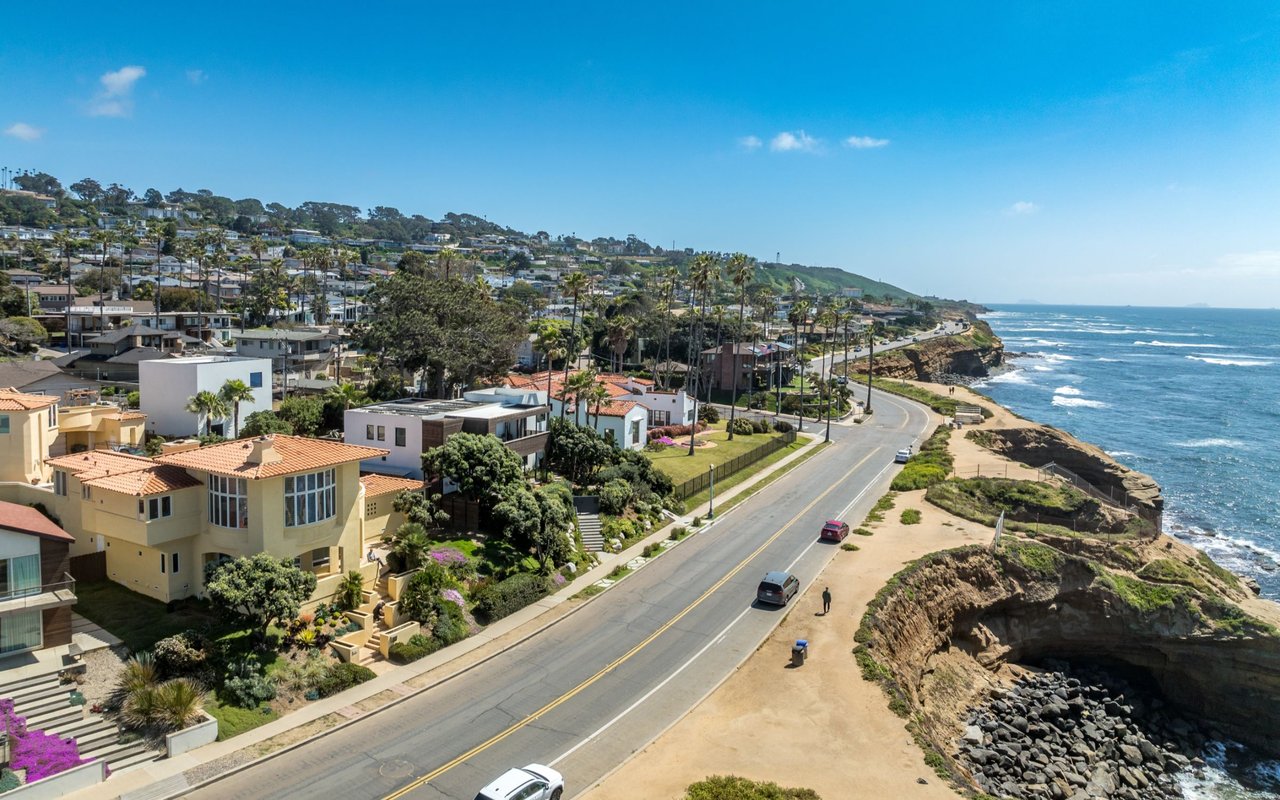
In Crest Corridor, the setting often makes the first impression before buyers fully process the floor plan. Local neighborhood descriptions consistently point to larger parcels, old-growth trees, mature landscaping, and a comfortable separation between homes, which gives the area a distinct identity compared with tighter coastal streetscapes. That means buyers are evaluating not just square footage, but the overall feeling of space and livability.
That matches broader buyer behavior too. According to the National Association of Realtors buyer and seller highlights, buyers place major value on neighborhood quality and convenience to friends and family. In Crest Corridor, that often translates into questions like: Does this home feel peaceful? Does the property feel usable? Can I picture daily life here?
Outdoor space stands out fast
One of the first things buyers notice during a Crest Corridor tour is the yard. Recent buyer migration research from the National Association of Realtors found that outdoor space was the top reason many clients chose a home. In a neighborhood where larger lots are part of the appeal, buyers pay close attention to whether that space feels truly functional.
They are usually not just asking whether the lot is big. They are asking whether it works. A property with clear room for dining, entertaining, gardening, pets, or play often lands differently than one where much of the land reads as slope, overgrowth, or purely decorative landscape.
Usable land matters more than total size
In Crest Corridor, acreage can be impressive on paper, but buyers often respond to how easy the lot is to understand in person. If the outdoor areas feel defined and accessible, the property usually feels more valuable and more livable. If the lot feels fragmented or hard to use, buyers may hesitate even when the parcel is large.
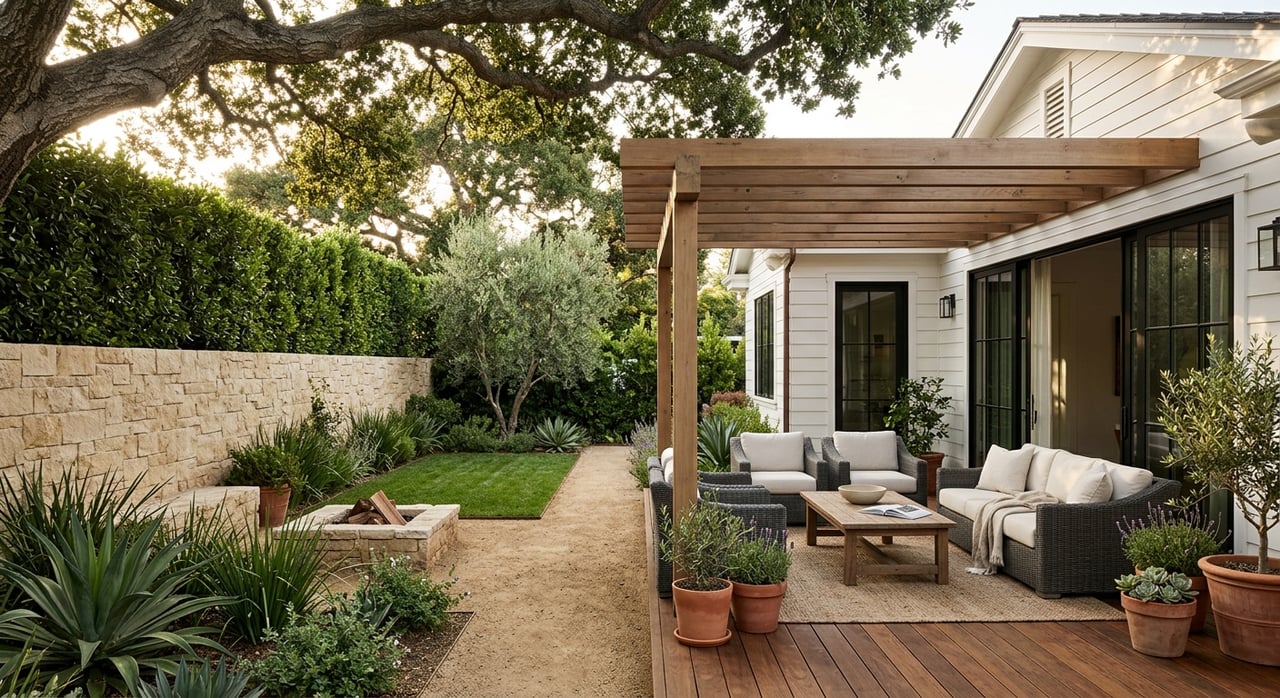
This is why layout matters so much during showings. Buyers tend to notice whether there are clear zones for lounging, dining, recreation, or future possibilities. They are mentally mapping how the property could support real life, not just admiring land from a distance.
Privacy is a major buyer cue
Privacy is another big part of the Crest Corridor experience. Local neighborhood marketing emphasizes a thinner-settled feel and comfortable spacing between homes, and buyers touring the area often look for signs that the outdoor areas feel protected enough for everyday use. That can shape their reaction just as much as the home’s interior finishes.
They are likely to notice sightlines from the street, neighboring windows, fencing, and natural screening. According to NAR guidance on making the most of a yard, privacy can be improved through features like fences and living screens of trees, shrubs, or vines. In a semi-rural setting like Crest Corridor, that sense of shielded outdoor living can be a major selling point.
Buyers notice how the lot feels
Privacy is not only about lot size. It is also about how the property is positioned and how it lives from key spaces like the patio, yard, or primary living areas. A backyard that feels calm and buffered will usually read very differently than one with direct road exposure or awkward neighboring views.
This is especially important in a neighborhood where indoor-outdoor living is part of the appeal. Buyers often want to know if they can comfortably relax outside, host guests, or enjoy quiet time without feeling overly exposed.
Landscaping signals care and livability
In Crest Corridor, landscaping does more than add curb appeal. It tells buyers how the property has been maintained and whether the outdoor environment will feel enjoyable or overwhelming. Because the neighborhood is known for mature trees and established greenery, buyers tend to pay attention to whether the grounds feel healthy, intentional, and manageable.
According to NAR’s sustainable landscaping coverage, homeowners often improve landscaping for curb appeal, resale value, and lower maintenance, and mature trees can help cool outdoor spaces. In a dry Southern California climate, well-kept hardscape, tidy edges, and low-water planting choices can come across as practical strengths rather than compromises.
Overgrown and unclear can hurt perception
If a yard looks too complicated, too thirsty, or too difficult to maintain, buyers may start calculating future work right away. Even when they love the setting, uncertainty around irrigation, trimming, and upkeep can create hesitation. By contrast, a property that feels clean, shaded, and easy to care for often inspires more confidence.
That does not mean a seller needs to over-style the landscape. In many cases, buyers simply want to see that the outdoor spaces feel intentional, healthy, and ready to enjoy.
Indoor-outdoor flow matters in showings
A Crest Corridor home tends to show best when buyers can feel a connection between the house and the land. That connection often comes through windows, large doors, patios, decks, and view corridors that help the outdoor areas feel like a natural extension of daily living. When that flow is missing, even a large lot can feel disconnected from the home.
NAR notes that many homeowners want yards to function as relaxing extensions of the interior, and Zillow’s home features research found that outdoor-oriented features continue to draw strong buyer interest. Features like outdoor showers, outdoor kitchens, and quality patios can also support stronger buyer appeal. In Crest Corridor, that kind of seamless living often feels especially aligned with what buyers expect.
Views and orientation shape emotion
When a property offers canyon views or a strong sense of openness, buyers usually register that quickly. But they also notice whether the home is positioned to take advantage of it. A deck that captures the setting, or a living room that opens naturally to the outdoors, can make the experience feel more complete.
This is why the showing path matters. Buyers often form their strongest impressions when the house and site work together in a way that feels easy and intuitive.
Arrival and parking still count
It is easy to focus only on trees, patios, and privacy, but buyers also notice how simple it is to arrive at the property. The Crest Corridor neighborhood context highlights the area’s more spacious feel, including less of the tight-quarter parking pressure often associated with denser coastal pockets. During a showing, that convenience can quietly support the overall impression of ease.
Buyers may notice the driveway width, guest parking options, garage access, and how clearly the entry sequence is defined. A property that feels both private and practical tends to leave a stronger impression than one that feels beautiful but hard to navigate.
What sellers should prep before showings
If you are selling in Crest Corridor, the goal is to make the lot’s value easy to understand right away. Buyers should not have to guess where they would dine, entertain, garden, or unwind. The cleaner and more readable those outdoor zones feel, the more likely buyers are to connect with the property.
The NAR seller guidance recommends checking the visible condition of landscaping, paint, roof, windows, front door, and house numbers, while removing clutter that makes it harder for buyers to picture themselves in the home. In Crest Corridor, that advice is especially useful because outdoor presentation carries so much weight.
Focus on these showing priorities
Before a tour, sellers should pay close attention to:
- Clear and easy-to-read pathways
- Swept patios and tidy hardscape
- Trimmed edges and controlled overgrowth
- Defined zones for dining, lounging, or recreation
- Landscaping that looks healthy and maintained
- Entry sequences that feel welcoming and intentional
- Parking areas that feel convenient for both owners and guests
Buyers are also thinking ahead
During a showing, buyers are rarely only reacting to the present. They are also thinking about flexibility. In an area where local descriptions mention larger parcels, guest houses, and outbuildings, many buyers naturally start imagining future uses for bonus spaces and land.
They may picture a home office, studio, guest setup, storage area, or multigenerational use. Even if they are not asking technical questions on the spot, they are often testing whether the property can adapt as life changes. That future-readiness can be an important part of the home’s appeal.
Why Crest Corridor tours feel different
Crest Corridor stands apart because buyers are evaluating a broader living experience. They are noticing whether the home feels grounded in its setting, whether the land is usable, whether the outdoor areas feel private, and whether the whole property supports the slower, more spacious rhythm the neighborhood is known for. In many cases, those impressions shape interest as much as the kitchen, bathrooms, or finishes.
If you are buying, it helps to tour with a clear eye for usability and long-term fit. If you are selling, it pays to present the home so those strengths are obvious from the moment someone pulls up. If you want expert guidance on positioning or evaluating a Crest Corridor property, connect with Seth Chalnick for local insight and a data-driven approach.
FAQs
What do buyers notice first when touring Crest Corridor homes?
- Buyers often notice the overall setting first, especially outdoor space, lot usability, privacy, mature landscaping, and how the home sits on the property.
Why is outdoor space so important in Crest Corridor?
- Larger parcels are a major part of the neighborhood’s appeal, so buyers tend to focus on whether the yard feels functional for dining, relaxing, entertaining, pets, gardening, or other everyday use.
How does privacy affect buyer interest in Crest Corridor homes?
- Buyers often pay attention to spacing between homes, sightlines, screening, and whether outdoor areas feel comfortable for daily use without too much exposure.
What landscaping details matter most to buyers in Crest Corridor?
- Buyers usually respond well to mature trees, healthy low-water plantings, tidy hardscape, and a landscape that feels maintained and manageable rather than overgrown or high-maintenance.
How should sellers prepare a Crest Corridor home for showings?
- Sellers should make the lot easy to understand by defining outdoor zones, clearing pathways, trimming landscaping, cleaning patios, and presenting arrival and parking areas in a clean, intentional way.