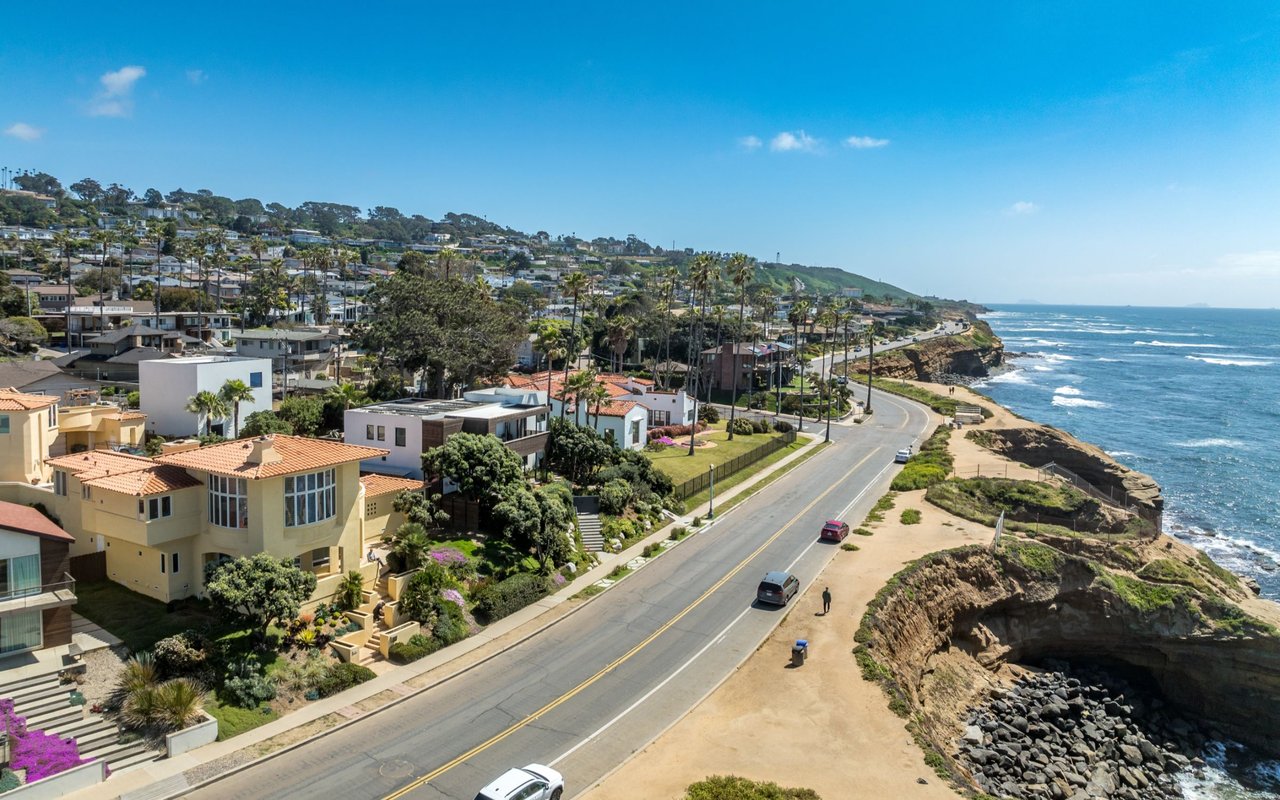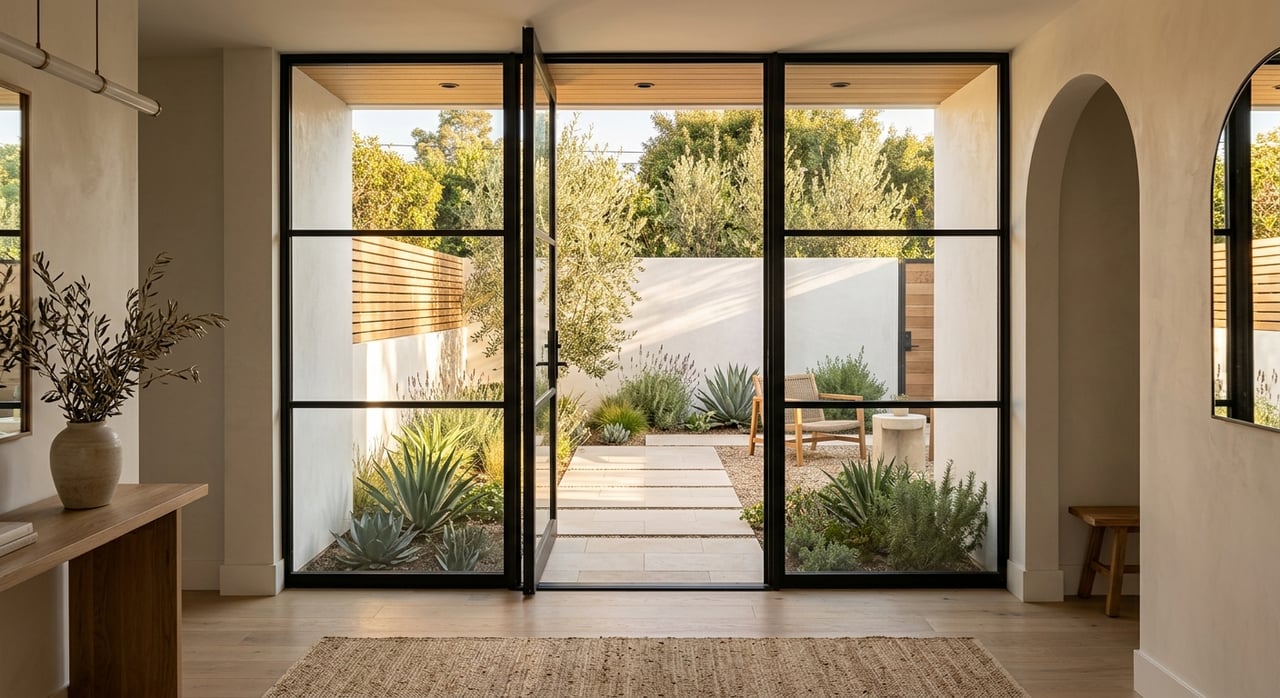
You can still sell well in Encinitas, but you cannot coast on old market momentum. Buyers are active, homes are moving, and the market still leans toward sellers, yet the numbers also show that shoppers have more choices and less patience for overpricing or weak presentation. If you are planning a sale, the smartest move is to use current local data to guide your timing, pricing, and launch strategy. Let’s dive in.
What Encinitas market data says now
The broad picture is encouraging for sellers. As of late spring 2026, Zillow showed 155 homes for sale in Encinitas, 69 new listings, a median sale-to-list ratio of 0.994, and 13 days to pending as of April 30, 2026. Redfin reported a March 2026 median sale price of $2,027,500, 27 median days on market, a 99.7% sale-to-list ratio, 33.3% of homes selling above list, and 3 offers on average.
Realtor.com added a similar signal, with 209 homes for sale, a median listing price of $2.50M, 30 median days on market, and a 100% sale-to-list ratio in March 2026. The exact counts vary by platform because each uses different windows and definitions. Still, the takeaway is consistent: demand remains steady, but buyers have enough inventory to compare options and push back when a listing misses the mark.
Why price discipline matters more
A few years ago, some sellers could stretch pricing and still get rewarded. Today, Encinitas data points to a market that favors accuracy over ambition. With sale-to-list ratios clustering around 99% to 100%, most homes are trading very close to asking, not far above it.
That matters when you choose your list price. If you aim too high without clear support from condition, views, location, or rarity, buyers may simply move on to the next option. In a market where inventory has risen and homes still sell in a matter of weeks, the best results often come from entering the market with a number that feels credible from day one.
How to use days on market
Days on market is one of the most useful tools for planning your sale. Redfin defines median days on market as the number of days homes spent listed before going under contract, while Zillow tracks days to pending from first being shown for sale to pending status. In practical terms, both measures suggest many Encinitas homes are moving within roughly two to four weeks.
For you, that means the opening stretch of your listing matters the most. The first 7 to 14 days are often the clearest test of whether your pricing, prep, and marketing are aligned with buyer expectations. Strong activity early usually means you are in sync with the market, while a slow start can be a sign that something needs to change.
Treat the first two weeks as a test
Many sellers make the mistake of waiting too long to react. In Encinitas, where homes are often going pending quickly, extra days on market can shift how buyers view a property. A listing that lingers may invite lower offers or more negotiation, even if the home itself is appealing.
That is why the first one to two weeks should be treated as a diagnostic period. Watch showing volume, online attention, and buyer feedback closely. If the response is softer than expected, the data suggests it is usually better to adjust pricing or marketing quickly instead of letting the listing sit.
Inventory is rising, even if supply is still tight
Encinitas is not flooded with inventory, but it is not as constrained as it once was. Zillow showed inventory rising from 145 homes at the end of March to 155 at the end of April 2026. Realtor.com also reported 209 homes for sale and year-over-year listing growth in March 2026.
That shift does not mean sellers have lost leverage. It does mean buyers can compare more homes side by side, which raises the cost of weak listing photos, incomplete prep, or a test-the-market price. If your goal is to maximize price and keep momentum strong, your launch needs to feel polished and intentional from the start.
Encinitas is not one market
One of the biggest mistakes sellers make is relying on broad citywide numbers alone. Encinitas includes several submarkets that are moving at different speeds and price points. Realtor.com showed notable variation, with Cardiff at 26 days on market, Poinsettia at 18, Leucadia at 33, Olivenhain at 34, South Beach at 52, and University Commons at 54.
Pricing also varied widely across those areas. Reported listing prices ranged from about $780,000 in University Commons to $2.84M in Leucadia and $2.45M in Cardiff. That is why your best pricing strategy usually comes from neighborhood-specific and property-type-specific comparisons, not from a single Encinitas average.
What this means for your pricing plan
If you are preparing to list, your pricing plan should start with the most relevant comp set possible. A coastal condo, a bluff-view property, and a larger inland home may all sit within Encinitas, but buyers will not value them the same way. Current, local, closely matched comparisons matter more than broad headlines.
A strong pricing plan usually answers a few basic questions:
- How quickly are similar homes going pending?
- Are similar homes selling at, above, or below asking?
- How much competition is active right now in your immediate area?
- Does your home offer something scarce, such as views, updated condition, or a more desirable lot or layout?
Those answers help you choose a number that is competitive without leaving money on the table. In this market, that balance is where many of the best outcomes happen.
Timing still matters, but local timing matters more
Seasonality can help, but it should not drive your entire decision. Realtor.com identified April 12 to 18 as the 2026 best week to sell nationally based on stronger views, faster sales, and less competition. That can be useful context, but if you missed that window, it does not mean you missed your chance.
In Encinitas, local inventory levels and submarket demand should matter more than a generic spring date. If competing listings are rising in your part of town, waiting may give buyers even more choices. If your neighborhood segment is moving steadily and your home is ready now, a well-timed launch with strong prep and pricing can still perform very well.
Build your sale plan around four data points
When you use market data correctly, it can simplify your next steps. Instead of guessing, focus on the signals that most directly shape your result. For most Encinitas sellers, four metrics matter the most.
1. Sale-to-list ratio
This tells you how close homes are selling to their asking price. With Encinitas hovering near 100%, buyers are generally paying close to list, but not routinely rewarding inflated numbers. That makes list price strategy one of the most important decisions you will make.
2. Days on market
This shows how quickly comparable homes are attracting contracts. In a market where many homes move in a few weeks, your first impression carries a lot of weight. If your home is not drawing attention early, the market may be telling you something useful.
3. Current inventory
Inventory shapes buyer leverage. More available homes means more comparison shopping, which can put pressure on pricing and presentation. Even a modest rise in supply can change how carefully your launch needs to be managed.
4. Neighborhood-specific activity
Citywide trends are helpful, but neighborhood performance is where pricing gets sharper. If your area is moving faster or slower than the city average, your strategy should reflect that. The same is true if your property type is especially scarce or faces more direct competition.
A practical plan before you list
If you want to use Encinitas market data to plan your sale, keep your approach simple and disciplined. Start with the data, then connect it to the home you actually own and the buyers most likely to compare it.
A smart pre-listing checklist includes:
- Review recent neighborhood and property-type-specific comps
- Compare your home against current active competition
- Set a price based on current conditions, not peak-market memory
- Prepare the home so photos and in-person showings feel strong from day one
- Watch the first 7 to 14 days closely and be ready to adjust if the market response is weak
This approach is especially helpful in a market like Encinitas, where demand is still healthy but buyers have enough options to be selective. The sellers who tend to do best are the ones who combine confidence with discipline.
If you are thinking about selling in Encinitas, the best next move is to build a strategy around real neighborhood data, a precise pricing plan, and a launch that is ready to compete from the first day. For a local, data-driven approach backed by strong market knowledge and careful execution, request a free Seller's Survey and Market Consultation from Seth Chalnick.
FAQs
How fast are homes selling in Encinitas right now?
- Current data suggests many Encinitas homes are going pending in roughly two to four weeks, with Zillow reporting 13 days to pending and Redfin reporting 27 median days on market.
What does sale-to-list ratio mean for an Encinitas seller?
- Sale-to-list ratio compares the final sale price to the asking price, and with Encinitas near 99% to 100%, it suggests most sellers should price accurately rather than expect buyers to chase an inflated list price.
Should you use citywide Encinitas data or neighborhood comps to price your home?
- Neighborhood and property-type-specific comps are usually more useful because submarkets like Cardiff, Leucadia, Olivenhain, and University Commons are moving at different speeds and price points.
When should you adjust your price after listing in Encinitas?
- If showings, feedback, and online interest are weak in the first 7 to 14 days, the data suggests it is wise to reassess pricing or marketing before extra days on market build up.
Does rising inventory hurt your chances of selling in Encinitas?
- Not necessarily, but it does mean buyers can compare more homes, so strong presentation and market-based pricing matter more than they did when inventory was tighter.