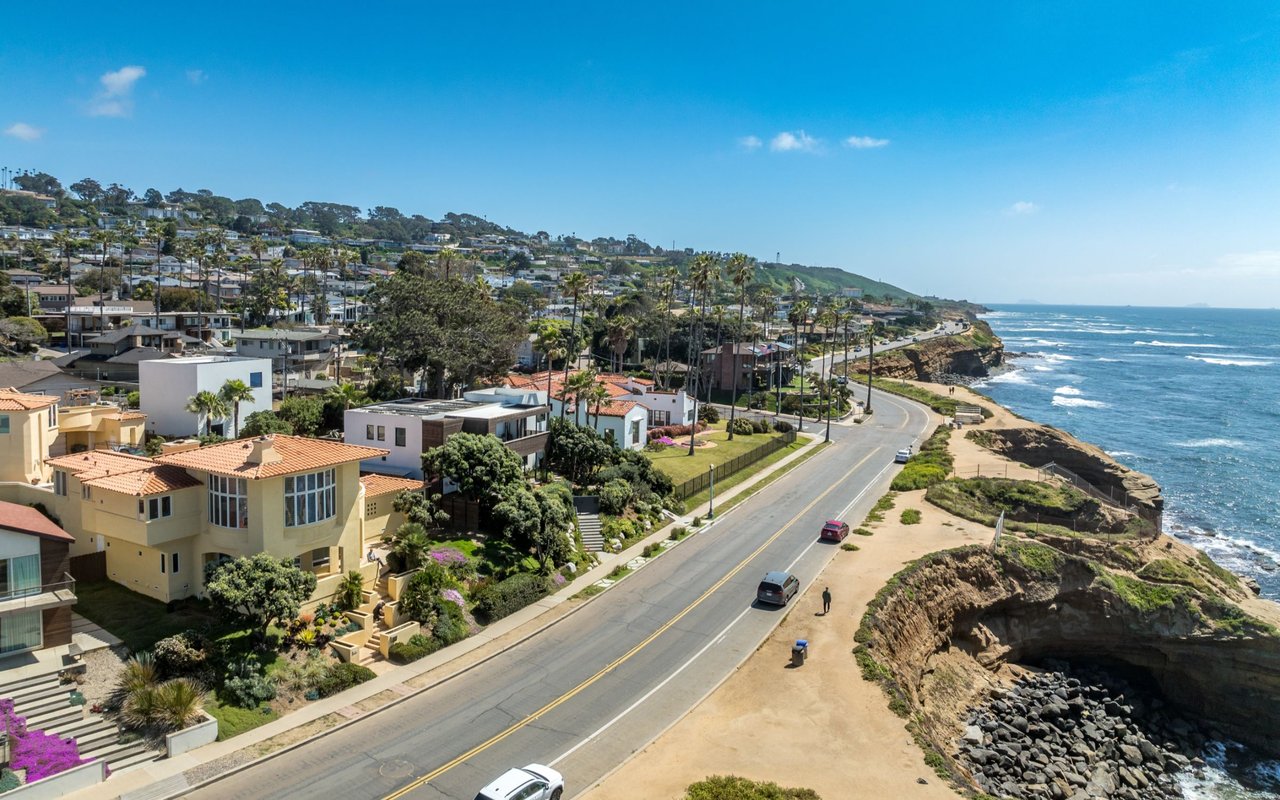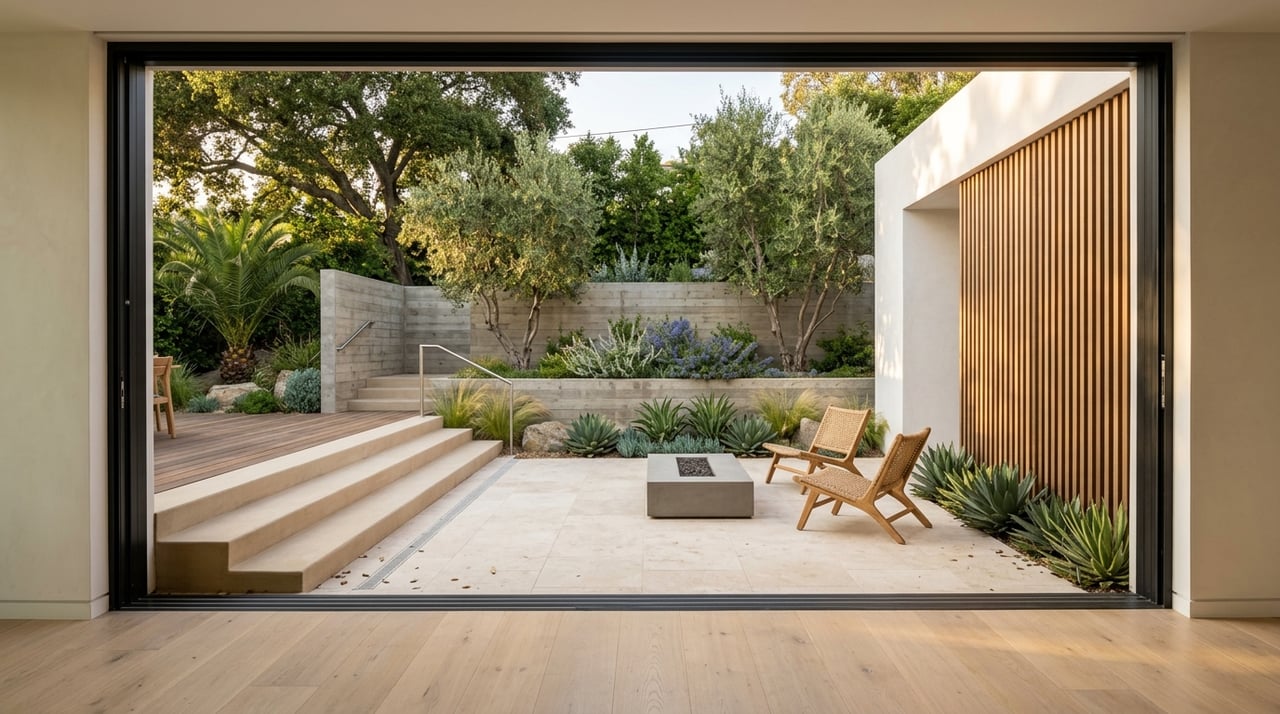
Wondering why two Crest Corridor homes with similar bedroom counts can feel completely different in person? In this part of Encinitas and Cardiff, the lot often shapes your day-to-day experience as much as the house itself. If you are buying, selling, or simply trying to understand value, it helps to know how parcel size, slope, orientation, and usable outdoor space affect the way a property lives. Let’s dive in.
Why lot type matters in Crest Corridor
In Crest Corridor, lot type often matters more than bedroom count. A home on a more standard residential parcel can offer a very different experience than one on a canyon-adjacent site or a larger land-heavy property.
That difference shows up in privacy, light, usable yard space, and future flexibility. It can also affect what improvements may be realistic if you want to expand, rework outdoor areas, or add structures later.
Public planning materials also point to the area’s older development pattern. The City of Encinitas notes the Crest/Wales access area dates to original subdivision development in the 1970s, which helps explain why you may see a mix of established streets, mature landscaping, and varied parcel layouts.
Common lot sizes you may see
Crest Corridor is not a one-size-fits-all neighborhood. Sample public listing data shows parcels ranging from about 8,600 to 8,712 square feet on some Cardiff cul-de-sac lots to around 10,800 square feet on Crest Drive, with larger holdings from roughly 0.68 to 1.68 acres and even a rare 6.5-acre land parcel.
That range matters because it creates very different ownership experiences. Some homes sit on more conventional suburban lots, while others are clearly land-driven opportunities where the site may carry as much value as the existing improvements.
Homes in the same sample also range from about 1,900 to 6,400 square feet. You may find single-story and two-story layouts, detached structures, or parcels where the main appeal is future planning potential.
How parcel shape affects daily living
Raw square footage only tells part of the story. In Crest Corridor, the way a lot is shaped and positioned often matters more than the number listed in public records.
A flat pad can make outdoor living feel easy and immediate. A sloped lot may offer elevation or views, but the truly usable area could be smaller than you expect.
Cul-de-sac placement, yard depth, driveway layout, and side-yard width can all change how a property functions. In many cases, practical clues like a pool-sized yard, a level lawn area, or a broad patio tell you more than parcel size alone.
Layout patterns in Crest Corridor homes
Indoor-outdoor living is a recurring pattern in this area. Recent listings describe features like covered patios, brick courtyards, wraparound porches, sunrooms, east-facing decks, rooftop decks, and detached garages.
These features matter because they expand how the home lives beyond its interior square footage. In a neighborhood where climate and outdoor use are part of daily life, the lot often becomes an extension of the floor plan.
On larger parcels, you may also see multiple structures or more separation between the home and surrounding outdoor spaces. That can create a very different feel from a compact home on a standard lot, even if the interior finishes are similar.
Views, light, and orientation
One of the biggest differences from parcel to parcel is orientation. Sample listings reference white-water, ocean, canyon, valley, bluff, mountain, and city-light views, which shows how much elevation and positioning can vary within the corridor.
That variation affects more than scenery. It can influence privacy, natural light, wind exposure, and how often you actually use decks, patios, or yard areas.
For example, a parcel with a strong view may trade some flat outdoor space for outlook and privacy. Another lot may offer a broader usable yard but a more inward-facing layout. Neither is automatically better. It depends on how you want the property to live.
Larger parcels can shift the value equation
On some Crest Corridor properties, the land is the headline. Public listings in the area include gated compounds, fully usable flat acreage, agricultural-use parcels, and vacant land for future builds.
When that happens, buyers are not just evaluating the home that exists today. They are also thinking about long-term flexibility, site planning, and how much of the parcel is realistically usable.
For sellers, this is where pricing and marketing need nuance. A land-heavy property should be presented differently from a standard single-family home, because buyers may be placing significant value on the lot’s future potential and layout advantages.
Planning constraints buyers should understand
Most of Encinitas lies within the Coastal Zone, and the City of Encinitas says its Local Coastal Program is carried out through zoning, design review, grading, erosion and sediment control, and specific plans. In practical terms, that means parcel-by-parcel review can matter when you want to add, expand, or redesign outdoor space.
This is especially important on lots near canyons, bluffs, slopes, or major landscape features. A property that looks simple from the street may involve more review if you plan future work.
That does not mean you should avoid these lots. It means you should evaluate them with a clear understanding of how the site itself may shape your options.
Slopes, wildfire, and drainage matter early
The City of Encinitas identifies South El Camino Real/Crest Drive as part of the wildland-urban interface wildfire hazard area. The city also notes coastal bluff and flood vulnerability in Cardiff-by-the-Sea.
If you are comparing lots near slopes, canyons, or bluff-influenced areas, ask early questions about wildfire exposure, drainage patterns, and setbacks. These issues can affect usability, maintenance planning, and future improvement decisions.
This is one reason lot analysis should happen early in the process, not after you have already fallen in love with a view or a floor plan. In Crest Corridor, site conditions are often central to the value story.
Mature trees are part of the equation
Tree-lined streets are part of the area’s appeal, but mature landscaping can also raise practical questions. The City of Encinitas says it maintains city-owned street trees, addresses sidewalk damage from street tree roots, and is advancing a mature tree ordinance that applies to new development and some redevelopment.
For buyers, this means trees are not just aesthetic features. They can affect light, root intrusion, yard design, and improvement planning.
On older streets, it is smart to ask about sidewalk lifting, stormwater flow, and whether tree-root issues have affected the property. The city also notes that private tree-root damage is the owner’s responsibility.
Due diligence questions to ask
If you are serious about a Crest Corridor property, focus on how the lot functions in real life. A good review should go beyond the photos and square footage.
Key questions include:
- What part of the lot is actually usable?
- Where are the slopes, drainage paths, and easements?
- Are there coastal review, zoning, or tree-related constraints?
- Were additions, detached structures, or pads properly permitted?
- Does the parcel’s value come mainly from the current home, the outdoor usability, or the land itself?
This is especially important on parcels described as value in land, agricultural, or future-build opportunities. Public listings in the corridor show all of those conditions, so you should not assume legal status or usability from marketing photos alone.
What this means for buyers and sellers
If you are buying in Crest Corridor, try to compare homes by lot function, not just bedroom count or interior updates. Think about how much usable outdoor space you want, what kind of privacy matters to you, and whether future flexibility is part of your plan.
If you are selling, your lot’s story may be one of the most important parts of your marketing. Orientation, usable yard space, mature landscaping, detached structures, and long-term site potential can all shape how buyers perceive value.
In a neighborhood with this much variation, smart positioning matters. The right analysis can help you see whether you are really looking at a standard residential parcel, a view-driven property, or a long-term land play.
If you want help evaluating a Crest Corridor property with a local, data-driven lens, connect with Seth Chalnick to request a free Seller's Survey and Market Consultation.
FAQs
What lot sizes are common in Crest Corridor homes?
- Sample public listing data shows a wide range, from about 8,600 square feet on some lots to larger parcels around 0.68 to 1.68 acres, plus rare larger land offerings.
Why does lot layout matter in Crest Corridor real estate?
- Lot layout affects usable yard space, privacy, light, views, drainage, and how easily the property may support future improvements.
Are larger Crest Corridor lots always better for buyers?
- Not always. Larger lots can offer more flexibility, but slope, drainage, access, and review constraints may matter more than raw size alone.
What should buyers check on older Crest Corridor parcels?
- Buyers should review usable lot area, slopes, easements, drainage paths, permit history for additions or detached structures, and any tree-related or coastal-review considerations.
Do views affect value in Crest Corridor homes?
- Yes. Sample listings suggest parcel position and elevation can strongly affect views, privacy, and light, which often shape value and day-to-day enjoyment.
Are mature trees important when evaluating Crest Corridor property?
- Yes. Mature trees can influence shade, roots, sidewalk conditions, yard planning, and redevelopment considerations on some properties.