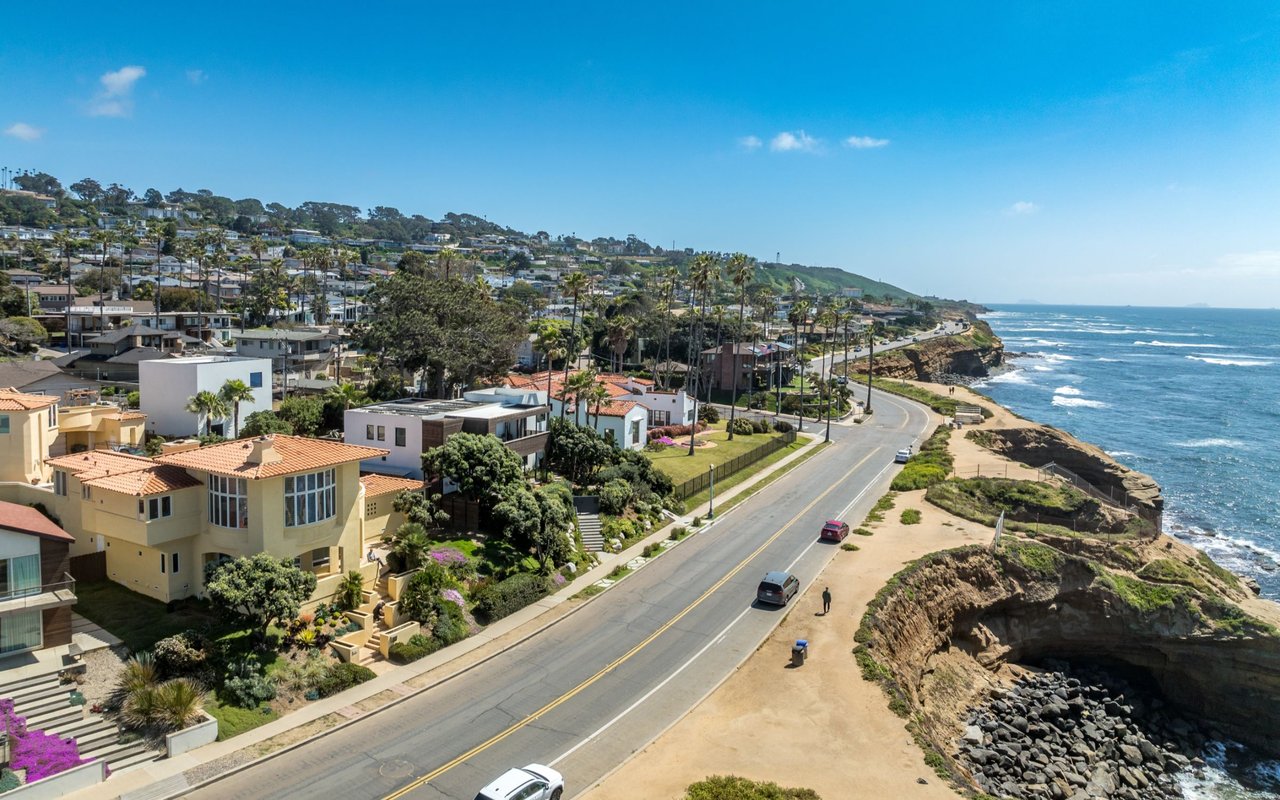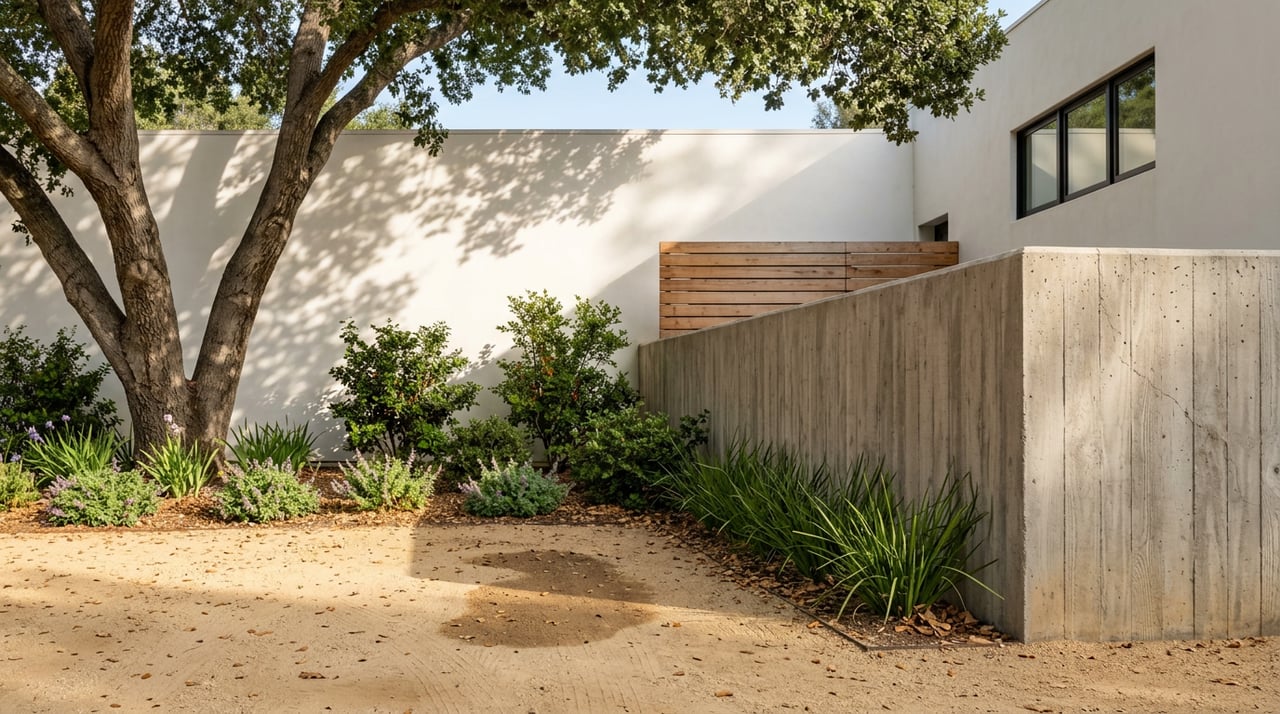
Crest Corridor sells on charm the portals cannot photograph well. Oversized parcels, streets without sidewalks, and a canopy of old-growth trees are the whole point. They are also, quietly, the three features that give a buyer's inspector and title reviewer the most to work with once you are in escrow.
The friction is not price. It is paperwork. And the sellers who close cleanly at Crest Corridor's premium tier tend to be the ones who ran three unglamorous checks before the sign went up.
The three places friction actually lives
A Crest Corridor listing gets renegotiated, if it gets renegotiated, in one of three files:
- The sewer lateral running under your driveway and mature canopy.
- Which sanitary division of record actually bills the property.
- The overlay of 2026 landscape and tree rules that shape what your buyer can do next.
None of these are dealbreakers on their own. All three are things a buyer can point at during contingency review to ask for a credit. Front-loading them is how you keep the sale-to-list ratio where a Crest Corridor home belongs.
1. The lateral is yours until it hits the main
Crest Corridor's charm cuts both ways underground. Long driveways, mature root systems, and generous setbacks mean the sewer lateral running from the house to the street is often longer, older, and harder to inspect than a comparable inland lot.
The City of Encinitas is explicit about who owns that pipe. Property owners are responsible for the sewer pipe, called a lateral, which runs from the home or building to the sewer main which is typically located in the street. The city is accountable for the sewer once the sewage leaves the lateral and enters the main. Property owners' responsibilities include maintenance and repair of the lateral, overflow cleanup and damages.
That single sentence is what a buyer's inspector references when they ask for a video scope of the lateral. On a Crest Corridor parcel, a scope frequently turns up two things: root intrusion from the same oaks and eucalyptus that anchor the listing photos, and offset joints in clay pipe that predates the 1986 incorporation of Encinitas as a city.
If your property is still on septic, the trigger is sharper. Under Encinitas Municipal Code Chapter 18.16, the city requires installation of sewer lateral connections from main to the property lines for unconnected properties when a sewer main is constructed. In practice, if a public main sits in the street or alley adjacent to the property, the septic-to-sewer conversion is not a matter of preference. It is a matter of timing, and buyers know it.
The seller's move is not to fix everything. It is to know, in writing, what the scope shows and what the septic status is before the buyer's inspector tells you. A $600 pre-listing scope on a Crest Corridor lateral is the cheapest insurance policy in the transaction.
2. The sanitary division of record is not a footnote
Because Crest Corridor straddles the Cardiff and Encinitas sides of the map, the sanitary division that bills the property is a real question, not a rhetorical one. Two divisions inside the city plus one adjacent district cover the neighborhood's likely footprint:
The Department's Wastewater Division collects, treats, and disposes of sewage for most of Old Encinitas, Cardiff-by-the-Sea, and Olivenhain. Sewage collected within these areas are sent to wastewater treatment plants operated by one of our partner agencies. The Sewer District Map shows the boundary delineation of the Cardiff Sanitary Division (CSD) and Encinitas Sanitary Division (ESD), which are the two sanitary divisions operated by the City. The Leucadia Wastewater District is responsible for sewage collection for most of New Encinitas and Leucadia.
Downstream, sewage is delivered for treatment and disposal to either the Encina Wastewater Authority in Carlsbad or the San Elijo Water Reclamation Facility in Cardiff. For a Crest Corridor seller, the practical difference shows up in three places:
| What buyers ask | Where the answer lives |
|---|---|
| What is the monthly sewer service charge? | The division of record on the county tax bill |
| Are there pending rate adjustments? | Council rate hearings; the last Prop 218 hearing was April 24, 2024 |
| What are current connection or engineering service fees? | The most recent fee schedule, updated by Resolution 2026-03 on January 28, 2026 |
Pursuant to Article XIIID of the California Constitution (Proposition 218) the City of Encinitas City Council held a Public Hearing on April 24, 2024 to consider proposed adjustments to sewer rates for the Cardiff Sanitary and Encinitas Sanitary Divisions. A copy of the Sewer Rate Study detailing the bases and reasons for the current and proposed rate increases is available. More recently, on January 28, 2026 City Council approved Resolution 2026-03 Establishing a Cost of Services Schedule for Sewer Engineering Services, which resets what a buyer's engineer or contractor pays for lateral permit review after close.
Buyers doing real diligence pull the tax bill and the sewer statement themselves. If your listing packet already names the division, the treatment plant, and the current monthly charge, you have removed a full round of buyer questions before they start.
3. The 2026 landscape and tree rules shape your buyer pool
A meaningful share of Crest Corridor buyers are not planning to leave the house alone. They are planning a remodel, a footprint expansion, or in some cases a scrape and rebuild. Two ordinances moving through Encinitas City Hall in 2026 change what "planning" actually costs.
The first is the Native Plant Ordinance. On March 25, 2026, the City Council held a public hearing to consider the introduction of City Council Ordinance No. 2026-07 to adopt a Native Plant Ordinance and to provide staff direction on native plant incentive programs. The City Council unanimously approved the ordinance 5-0 with two recommended modifications and for staff to return to the City Council with a report on the ordinance in 12-15 months. On April 15, 2026, starting at 6:00 P.M., the City Council held a public hearing to consider the adoption of City Council Ordinance No. 2026-07 to adopt the Native Plant Ordinance with the two modifications.
The ordinance will gradually reshape how landscaping is handled across the city. The proposal is intended to promote drought-tolerant, native landscaping and to align local planting standards with broader city goals around water conservation, habitat restoration, pollinators, biodiversity, and environmental resilience. For a Crest Corridor seller, the takeaway is not that your existing yard has to change. It is that a buyer planning a redesign will now be planting under a framework the city has publicly committed to for the next 12 to 15 months. That is a conversation you want to be ahead of, not surprised by.
The second is the Mature Tree Preservation Ordinance, which has been in draft for years and matters most to buyers considering a subdivision or a substantial redevelopment. The draft defines a mature tree as any tree with an 11-inch or greater trunk diameter at 4.5 feet above the base, with a lower 9-inch threshold for native species and a 4-inch threshold for native scrub oak.
The single-family exemption is the detail every Crest Corridor seller should know by heart. The proposed ordinance establishes protections for mature trees on public property and private developments, including new subdivisions, multi-family housing and commercial projects. The proposal outlines a mitigation process requiring developers to preserve, relocate or replace removed trees at designated ratios. Single-family homes and properties in very high fire hazard zones would be exempt.
Read carefully. A resident who wants to remove a hazardous oak on their own single-family lot is not the target of the ordinance. A buyer who is quietly planning to split a Crest Corridor parcel is. The precedent everyone at City Hall points to is the Torrey Crest residential subdivision on Melba Road and Island View Lane in Old Encinitas, approved with conditions to address concerns over mature tree preservation, traffic and environmental impact, which will demolish all existing structures to make way for 30 single-family homes, including three affordable housing units, with one of the project's more controversial elements being the potential removal of up to 100 mature trees, some over 100 years old, as part of road widening plans for Melba Road.
The Crest Corridor listing that clears inspection quickly is the one whose owner already knows which lateral, which division, and which overlay the buyer is going to ask about.
What to hand your agent before the sign goes up
A working pre-listing packet for a Crest Corridor home should include:
- A recent sewer lateral video scope, dated within 12 months, with the report from the plumber who ran it.
- Confirmation of septic vs sewer connection status, and if septic, whether a main runs in the adjacent street or alley.
- The sanitary division of record and the current monthly sewer service charge from the tax bill.
- Any tree preservation flags relevant to the parcel, particularly if the buyer is likely to consider expansion or subdivision.
- The recorded easements on title, especially shared driveway or access easements common on non-sidewalked Crest Corridor streets.
None of these documents win the buyer. They win the escrow.
FAQ
Does the Mature Tree Preservation Ordinance stop me from removing a tree on my own Crest Corridor lot? The draft that advanced through the Planning Commission in early 2025 exempts single-family homes and very high fire hazard zones from the new preservation requirements. That is the framework as drafted; the ordinance is still moving through City Council review, and single-family owners should confirm the current version with the city before scheduling removals.
If my property is on septic and a sewer main runs in the street, can I sell without connecting? You can list and sell. The Encinitas Municipal Code, however, is clear that unconnected properties are required to install a lateral connection to the property line when a main is constructed, and separately governs how septic tank waste can be handled. Buyers and their lenders will price the pending conversion into the offer, so the practical answer is that the cost lands somewhere in the deal.
How do I confirm whether my parcel is in the Cardiff Sanitary Division or the Encinitas Sanitary Division? The city publishes a Sewer District Map that shows the CSD and ESD boundaries. Most Crest Corridor addresses sit inside the city's two divisions rather than the Leucadia Wastewater District, but the line is not intuitive and the division of record on your property tax bill is the fastest confirmation.
If you are within a year of listing a Crest Corridor home and want to know which of these three files is going to matter most for your specific parcel, Seth Chalnick at Shoreline Properties runs a pre-listing diligence review from the Cardiff Town Centre storefront. Request a free Seller's Survey and Market Consultation, and we will walk the lateral, the division, and the overlay before your first showing.